Watercolor Cozy Autumn Boots Sublimation
First Impression: Warm, Whimsical, and Ready for Stitching
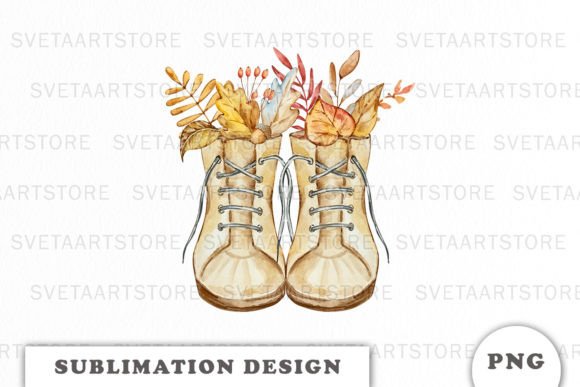
When I opened Watercolor Cozy Autumn Boots Sublimation, I didn’t just see a graphic—I saw a mood. Soft washes of burnt orange, dusty rose, and sage green bloom around a pair of stylized boots with curled laces and leafy accents. It’s not hyper-realistic, and that’s its strength: the watercolor texture breathes, the edges feather gently, and the composition leaves intentional negative space—ideal for embroidery translation. As an embroidery designer who’s stitched hundreds of seasonal motifs, I immediately pictured this on a cream linen tote bag for a local boutique’s fall launch. The shape fits comfortably in a 4x4 hoop, and the central motif avoids tight corners or fragile stems that fray under dense stitching.
Where This Design Truly Shines (and Where It Needs Care)
Watercolor Cozy Autumn Boots Sublimation works beautifully for custom apparel and handmade gifts where warmth and approachability matter—think sweatshirt embroidery for teachers’ appreciation week, baby onesies with a single boot motif near the chest, or pillow covers for a cozy nursery refresh. Its illustrative style reads clearly at medium scale, and because it leans into painterly softness rather than sharp line art, it forgives minor alignment shifts common in home embroidery setups.
That said, it’s not a one-size-fits-all machine embroidery design. On stretchy fabric like cotton jersey tees, the watercolor bleed effect can get lost if stitch density isn’t adjusted—too many fill stitches flatten the organic feel; too few leave gaps. I tested a simplified version on a lightweight cap, and while the silhouette held up, the delicate leaf swirls near the boot cuff blurred slightly on the curved surface. For caps or curved tumblers (even as a printed mockup), consider simplifying or isolating the main boot shape first.
Dark fabric is another consideration. The original PNG relies on subtle tonal variation—not high-contrast outlines—so on charcoal or navy, you’ll need thoughtful thread color choices. A warm terracotta satin stitch over black fabric? Yes. A pale peach fill stitch? It’ll disappear. Always test your thread colors on scrap fabric before committing to a batch of embroidered patches or tea towels.
Real Project Test: A Boutique Tote Bag Line
Last month, I used Watercolor Cozy Autumn Boots Sublimation as the anchor motif for a limited-run tote collection sold at a craft fair. We chose natural canvas tolet bags—medium weight, tight weave, minimal stretch—and paired the design with a simple running-stitch border and light tear-away stabilizer. The result felt handmade but polished: customers commented on how “soft” and “inviting” the embroidery looked, not stiff or overly technical. That’s the quiet power of this illustration—it translates well from digital to tactile without demanding perfection from the stitcher.
We avoided placing it near seams or hems where tension distorts fabric, and skipped the tiniest leaf details in the final embroidery file—those were better left implied by the watercolor wash in the digital mockup. For Etsy sellers listing finished totes, this kind of restraint builds trust: buyers recognize authenticity, not over-engineered flash.
What This Means for Your Craft Business
- Brand consistency: Because Watercolor Cozy Autumn Boots Sublimation carries strong seasonal identity without being cliché (no pumpkins, no cornucopias), it supports cohesive fall collections across apparel, patches, and printable mockups.
- Customer perception: Handmade products featuring this design read as thoughtful—not mass-produced. That lifts perceived value, especially for personalized gifts like holiday stockings or teacher appreciation bundles.
- Licensing clarity: As a Graphics asset marketed for invitations, decor, and tumbler decor, confirm whether commercial embroidery rights are included before selling stitched items. When in doubt, reach out to the creator—most reputable Illustrations sellers clarify usage upfront.
Practical Embroidery Designer Notes You Can’t Skip
Before stitching Watercolor Cozy Autumn Boots Sublimation into your next project, do these five things:
- Test the design on scrap fabric matching your final product’s weight and stretch—especially if using textured fabrics like terry cloth or bouclé.
- Review stitch density: watercolor-inspired designs often benefit from lower-density fill stitches to preserve softness; avoid heavy satin borders unless they reinforce the motif’s intent.
- Check small details against your hoop size—those curled laces and tiny acorn accents may need slight enlargement or simplification for sub-3" hoops.
- Run a black-and-white mockup: this reveals contrast issues invisible in color previews, especially important for dark garments or layered embroidery projects.
- Use appropriate stabilizer—light cutaway for stable woven fabrics, tear-away for medium knits, and optional topping for fuzzy or napped surfaces like fleece.
Final Thought: Not Just Another Fall Graphic
Watercolor Cozy Autumn Boots Sublimation stands out because it doesn’t shout “autumn”—it whispers it. That subtlety makes it versatile across age groups, product types, and skill levels. It’s equally at home on a baby embroidery onesie and a boutique apron for a maple-syrup maker. For Etsy sellers building seasonal inventory, small shop owners curating holiday gifts, or crafters wanting to elevate their handmade product without overcomplicating the process—this is a quietly reliable design asset. Just remember: let the watercolor spirit guide your stitching choices, not the other way around. Less density, more intention. Fewer threads, more feeling.