Line Art Wildflower Sublimation Clipart: Graphics & Illustrations for Local Branding
A First Impression That Feels Like Homegrown Authenticity
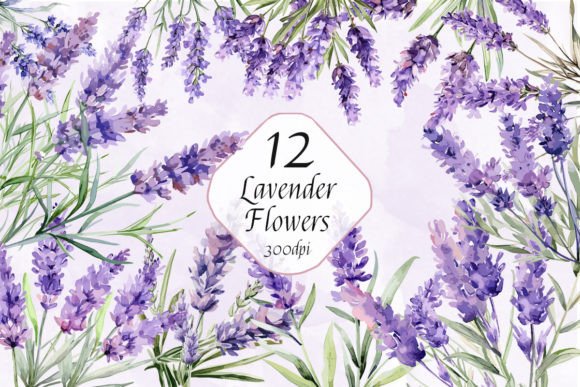
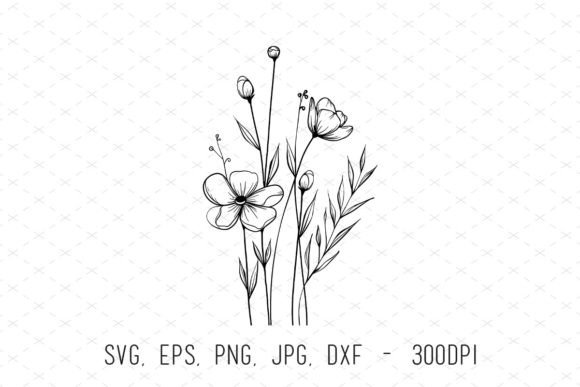
Opening this Line Art Wildflower Sublimation Clipart felt like unrolling a hand-drawn sketchbook from a local botanical illustrator — clean, unhurried, and quietly confident. The linework is precise but not rigid: delicate stems curl with gentle asymmetry, petals taper naturally, and negative space breathes around each bloom. It reads as organic, feminine, and artisanal — never fussy or over-rendered. For a small business owner choosing design assets, that first impression matters deeply. This isn’t clipart shouting for attention; it’s a quiet invitation to pause, notice texture, and feel grounded. It suits brands rooted in care: a lavender-scented skincare line in Asheville, a seasonal jam company in the Pacific Northwest, or a ceramic mug studio in Portland. It leans into warmth, craft, and subtle elegance — not mass-produced polish.
Where It Strengthens Real Local Business Branding
This graphic design asset works hardest where authenticity meets function: product labels, packaging accents, and social media graphics that reflect real values. I recently used it for a handmade soap brand launching a “Wild Meadow” collection — pairing the line art with soft oatmeal kraft paper labels and a restrained serif typeface. Instant cohesion. The illustrations added visual hierarchy without overwhelming ingredient lists or certifications. On thank-you cards tucked inside orders, the wildflowers became a signature decorative element — recognizable, repeatable, and emotionally resonant. For a coffee shop’s seasonal menu board, we scaled one bloom to anchor the header, giving warmth without clutter. And on Instagram posts announcing new candle scents, the SVG design layered beautifully over muted linen textures — reinforcing brand identity across digital and physical touchpoints.
Practical Uses Across Your Brand Ecosystem
- Packaging design: As foil-stamped accents on matte soap boxes or die-cut windows on tea tins
- Product label: Framing batch numbers or origin notes on small-batch food labels
- Social media graphics: Creating cohesive story highlights, promo banners, and carousel visuals
- Printable design: Hang tags, recipe cards, and branded gift wrap for boutique retail
- Marketing visuals: Hero banners for farmers’ market booths or local event flyers
- Product mockup: Adding realism to digital previews of mugs, tote bags, and greeting cards
- Editorial design: Illustrating blog posts about seasonal ingredients or maker spotlights
Where It Builds Trust — and Where It Needs Guardrails
Used thoughtfully, Line Art Wildflower Sublimation Clipart supports stronger first impressions, clearer visual hierarchy, and more consistent brand identity — all proven drivers of customer trust for local businesses. Its simplicity makes it scale well across formats, and its organic rhythm helps products stand out on crowded shelves. But it’s not universally flexible. Avoid placing it directly over legal disclaimers or dense ingredient panels — the line weight can compete with fine text. It’s less effective for luxury minimalist brands (think monochrome apothecary lines) where restraint means *no* decoration. And on very small labels — under 1.5 inches wide — some finer stems lose definition unless simplified in vector editing. Also, test it carefully against low-contrast backgrounds: light gray on cream won’t hold up in print without slight stroke adjustment.
What an Experienced Brand Designer Actually Checks Before Use
Before locking this into a client’s packaging design or Canva template, I run five quick checks: First, I preview the SVG design in black-and-white — does it retain shape clarity when converted to single-color print? Second, I drop it onto real packaging mockups at actual size: does the stem thickness read on a 2-inch soap label? Third, I layer it beside every font in the brand system — does it harmonize with the script logo *and* the clean sans-serif price list? Fourth, I verify PNG transparency holds up on textured backgrounds (like recycled paper scans). Fifth, and critically: I confirm the commercial license covers physical product sales — because using it on a candle jar sold locally isn’t the same as posting it on a personal blog. This isn’t just clipart; it’s part of your brand identity infrastructure.
Why It Fits Small Business Branding Better Than Generic Alternatives
In a sea of overused floral vectors from creative marketplaces, this Line Art Wildflower Sublimation Clipart stands out by resisting trend-chasing. It doesn’t scream “2024 aesthetic” — it whispers “timeless craft.” That longevity matters when you’re investing in custom stickers, printed hang tags, or embroidered patches. Unlike overly stylized illustrations, it adapts seamlessly to both modern design and rustic presentation. A florist can use it on elegant wedding stationery; a children’s product brand can recolor blooms in joyful pastels for playful packaging. It’s versatile without being vague — a rare balance in digital illustration. For local business owners building recognition through repetition — say, across a café’s loyalty card, window decal, and seasonal cup sleeve — consistency starts with assets that behave predictably across mediums. This one does.
Final Thought: Design Assets Are Silent Brand Ambassadors
Your packaging design, product label, and social media graphics don’t just display information — they signal values before a word is read. Line Art Wildflower Sublimation Clipart doesn’t shout. It grounds. It connects. And when paired with thoughtful typography, intentional color, and real local storytelling, it becomes part of what makes customers choose your jam over the grocery store shelf, your candle over the big-box version, your soap over the mass-produced bar. That’s the quiet power of well-chosen illustrations — not decoration for decoration’s sake, but visual language that earns trust, one petal at a time.