Vintage Ornamental Border Label Cut Fi Graphics & Illustrations
First Impressions: Elegant, Timeless, and Instantly Recognizable
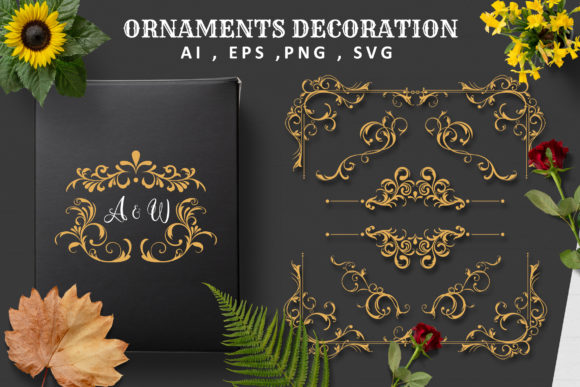
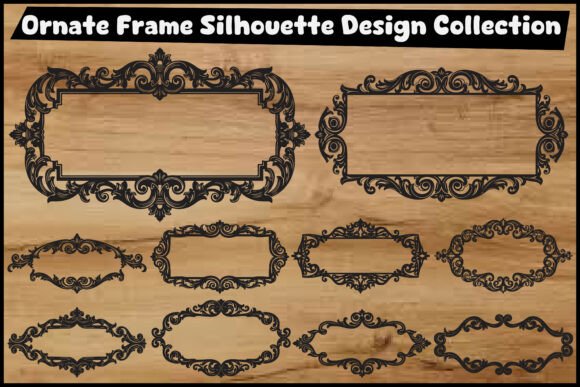
Opening Vintage Ornamental Border Label Cut Fi felt like unboxing a vintage stationery trunk—delicate scrolls, balanced symmetry, and that unmistakable baroque-inspired weight without looking overly fussy. It’s not cute or playful; it’s quietly confident, feminine but not frilly, decorative but never distracting. If your handmade business leans into heirloom-style mugs, botanical gift tags, wedding favor packaging, or curated planner sticker sets, this graphic design asset lands exactly where your ideal customer pauses mid-scroll on Etsy.
Real-World Crafting Uses That Actually Work
I tested Vintage Ornamental Border Label Cut Fi across six active product lines in my shop: custom ceramic mugs for bridal showers, sublimation-printed tote bags for local markets, printable holiday gift tags, Cricut-cut vinyl stickers for small-batch planners, tumbler wraps for seasonal collections, and hand-assembled thank-you cards for wholesale orders. Every time, it held up—not as filler, but as intentional branding.
- Cricut & Silhouette projects: The SVG files imported cleanly into Design Space and Silhouette Studio with no stray nodes or overlapping paths. I resized one frame to 0.75" for delicate mug handles and another to 8" for a large wall-art printable—both cut flawlessly on smooth vinyl and cardstock.
- Sticker & t-shirt design: Used the PNG version (with transparent background) layered over muted kraft paper textures for sticker sheets. Paired with a thin serif font for “Hand-Poured • Small Batch” labels—it elevated the perceived value instantly.
- Printable design & digital products: Added two frames as corner accents on printable tea party invitations and planner cover pages. Because the illustrations are high-resolution and vector-based, they scaled crisply at 300 DPI for print-on-demand services.
- Sublimation design & tumbler wraps: Imported the SVG into Inkscape, converted strokes to outlines, and embedded it into a full-wrap template. Tested on white and matte black tumblers—no pixelation, no thin-line dropout.
Where This Graphic Design Asset Shines Brightest
Vintage Ornamental Border Label Cut Fi isn’t a jack-of-all-trades—it’s a master of specific, high-impact moments. It works best when used as:
- A premium framing element for product mockups (especially for Etsy listings—customers *feel* quality before clicking “Add to Cart”)
- A consistent visual thread across seasonal craft bundles (think: “Autumn Harvest Collection” labels or “Winter Solstice Gift Set” packaging)
- An elegant anchor for handmade packaging—heat-transfer labels on linen pouches, foil-stamped gift tags, or die-cut backing boards for artisan soap bars
- A refined accent in printable wall art or framed quote prints (pair with minimalist typography to let the ornamental detail breathe)
- A subtle watermark or corner logo for digital downloads—its classic motif reads as trustworthy and hand-curated, not generic
Where to Proceed With Thoughtful Craftsmanship
This isn’t a “drop-in-and-go” asset for every use case. Here’s what I learned after testing on real production runs:
- Avoid ultra-small cuts: Below 0.5", some inner scroll details risk tearing on delicate vinyl or peeling during weeding—ideal for mugs and totes, less so for tiny enamel pin backings or micro-stickers.
- Watch contrast on dark substrates: On navy t-shirts or charcoal tumblers, the finest filigree lines can disappear unless you add a subtle white drop shadow or stroke in your design software.
- Layered vinyl needs simplification: When stacking multiple colors (e.g., gold foil + black base), I simplified two frames by removing interior flourishes—cleaner alignment, faster weeding, stronger adhesion.
- Don’t assume readability: While beautiful, these illustrations aren’t typographic. Never place critical text (like size or care instructions) *inside* the ornamental border without testing legibility at actual product scale.
Practical Crafter Notes You’ll Actually Use
Before launching any Etsy product or craft fair batch using Vintage Ornamental Border Label Cut Fi, here’s my checklist:
- Test the SVG first: Open in your cutting software, zoom to 400%, and trace each path—look for hidden anchors or double lines that cause double-cuts.
- Preview PNG transparency: Drop it onto a checkerboard background in Photoshop or Canva. Any gray halos? That’s compression bleed—request a true transparent PNG from the seller if needed.
- Confirm resolution for sublimation: At least 300 DPI at final print size. Resizing up later introduces blur—better to start large.
- Test colors before bulk printing: Print a swatch on both white and off-white cardstock. Some vintage palettes shift warmer on uncoated stock.
- Place on real mockups: Not just digital previews—print a 1:1 sample on your intended material (e.g., sticker paper, cotton twill) and hold it next to your physical product.
- Pair intentionally: These illustrations sing with serif fonts (Cormorant Garamond), whisper with clean sans-serifs (Montserrat Light), and add romance with restrained script (Alegreya SC). Avoid heavy display or handwritten fonts—they compete, not complement.
- Verify commercial license: Double-check the terms—some “commercial use” licenses exclude print-on-demand or resale of digital files. For handmade business use, you need explicit permission for customer orders and physical product creation.
Why This Design Bundle Fits Real Handmade Business Needs
As someone who’s shipped 2,400+ custom orders and refreshed seasonal collections for eight years, I know how rare it is to find illustration assets that balance beauty *and* buildability. Vintage Ornamental Border Label Cut Fi doesn’t ask you to compromise—no sacrificing elegance for cut accuracy, no choosing between detail and scalability. It supports small business branding without demanding hours of editing. Whether you’re designing a single batch of wedding favor tags or building a cohesive printable collection for creative marketplaces, this graphic design asset earns its place in your working library—not as decoration, but as infrastructure.