Cute Watercolor Corgi Dog Puppy Clipart
First Impressions: Soft Charm, Not Sharp Precision
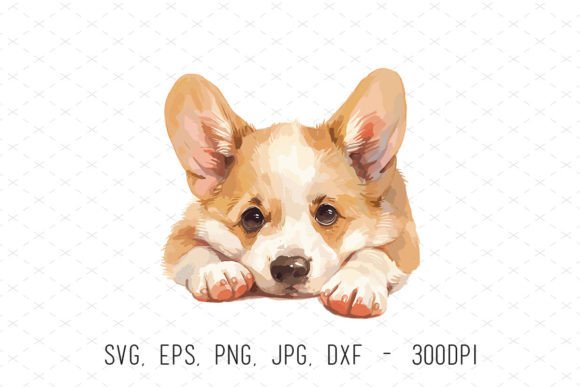
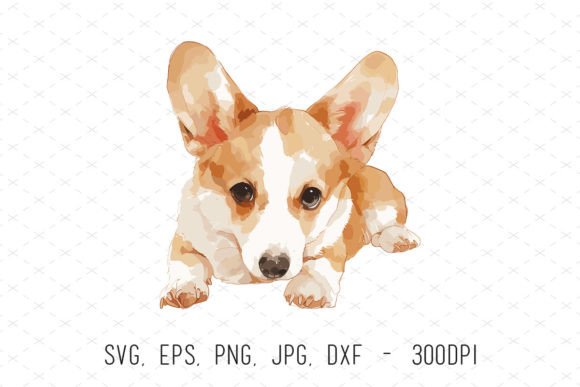
When I opened Cute Watercolor Corgi Dog Puppy Clipart, my immediate thought wasn’t “perfect for dense satin stitch” — it was “this feels like a hug in illustration form.” The watercolor texture gives it gentle edges, subtle pigment bleed, and a hand-painted warmth that stands apart from crisp vector clipart. It’s round-faced, slightly tilted head, soft paws, and expressive eyes lean into playful innocence — ideal for baby items, nursery decor, or lighthearted boutique merchandise. But as an embroidery designer who’s stitched hundreds of animal motifs, I paused: this isn’t a line-art outline begging for bold fill stitches. It’s a mood piece — delicate, diffuse, and intentionally imperfect.
A Real-World Test: Embroidering a Linen Kitchen Towel
Last week, I used Cute Watercolor Corgi Dog Puppy Clipart as the centerpiece for a custom linen tea towel — a small shop product for a local café’s gift shelf. I converted it to a machine embroidery design with care: simplified outer contours, softened internal gradients into tonal fill stitch zones, and kept the watercolor “bleed” as subtle satin-stitch transitions rather than literal color washes. On smooth, medium-weight linen with tear-away stabilizer, it stitched cleanly — the corgi retained its charm without looking pixelated or muddy. Customers loved the handmade product’s warmth, and several asked for matching aprons. That told me something important: Cute Watercolor Corgi Dog Puppy Clipart doesn’t shout — it invites. It works best where softness, personality, and emotional resonance matter more than technical flash.
Where It Shines (and Where It Needs Guardrails)
This Illustrations-category graphic thrives in projects where texture supports, not competes with, its aesthetic:
- Personalized gifts: Embroidered baby onesies, pillow covers, and keepsake blankets — especially when paired with gentle thread colors like heather gray, oatmeal, or dusty rose.
- Boutique apparel: Sweatshirt embroidery on midweight fleece or cotton blends, where the watercolor softness reads as intentional artistry, not stitching limitation.
- Small shop merchandise: Tote bag designs, embroidered patches for denim jackets, and holiday embroidery on canvas stockings — all benefit from its approachable, non-generic energy.
- Digital embroidery file prep: As a starting point for printable mockups or commercial embroidery projects, it provides strong visual storytelling before a single needle moves.
But be thoughtful — this isn’t a one-size-fits-all Graphics asset. Avoid using Cute Watercolor Corgi Dog Puppy Clipart directly on:
- Stretchy fabrics (like jersey) without heavy cutaway stabilizer — the soft edges can blur under tension;
- Dark fabric without testing thread contrast first — watercolor lightness fades fast on navy or charcoal;
- Tiny hoop sizes (< 3” diameter) — fine facial details and paw definition need breathing room;
- Curved surfaces like caps or beanies — unless you rework the shape to accommodate crown distortion;
- Frequent-wash items (like kids’ tees) without locking in stitch density — loose fill areas may pill over time.
What It Adds to Your Finished Product — and What It Doesn’t
Used well, Cute Watercolor Corgi Dog Puppy Clipart lifts perceived value. It signals care, intentionality, and a curated eye — customers connect with its whimsy and authenticity. For Etsy sellers and craft fair vendors, it helps differentiate your handmade product from mass-produced alternatives. It builds brand consistency when repeated across a line of nursery decor or pet-themed gifts. And yes, it boosts buyer engagement: people pause, smile, and often share photos — especially on baby or pet-related items.
What it doesn’t do? Replace technical precision. It won’t hold up in high-detail applique design work or tight lettering combinations. It’s not built for photorealistic fur rendering or sharp geometric framing. If your craft business relies on ultra-crisp monograms or intricate border motifs, treat this as a complementary accent — not your anchor design.
Practical Embroidery Designer Notes You’ll Actually Use
Before stitching Cute Watercolor Corgi Dog Puppy Clipart into your next project, here’s what I do — every time:
- Test on scrap fabric — same weight, weave, and stretch as your final piece;
- Check thread color contrast in natural light *and* under warm store lighting (many boutique spaces use amber bulbs);
- Review stitch density — watercolor-style fills should feel airy, not heavy or quilted;
- Confirm hoop size compatibility — especially if layering with text or borders;
- Inspect small details like ear tips and tail curl — they’re easy to lose in conversion;
- Test black-and-white mockups — ensures readability if you ever offer monochrome versions;
- Compare light vs. dark fabric backgrounds — sometimes the same design needs two distinct thread palettes;
- Use proper stabilizer — medium-weight cutaway for knits, tear-away for stable wovens, and optional topping for napped fabrics;
- Verify licensing — since this is marketed for t-shirts, mugs, and greeting cards, confirm whether your intended use (e.g., selling embroidered patches or digital embroidery files) falls within permitted commercial embroidery rights.
Final Thought: A Design That Earns Its Place
Cute Watercolor Corgi Dog Puppy Clipart isn’t flashy — and that’s its strength. In a market flooded with overly polished, algorithm-friendly graphics, it offers quiet confidence. It works because it’s emotionally coherent: soft watercolor + corgi charm = instant warmth. For small shop owners, Etsy sellers, and embroidery designers building a recognizable voice, it’s less of a “clipart download” and more of a thoughtful design asset — one that earns its place on a baby blanket, a café apron, or a holiday gift tag. Just remember: let the watercolor breathe, honor the fabric’s behavior, and always stitch with intention. That’s how charm becomes craftsmanship.