18 Variant Damask Stencils
A Designer’s First Look: Elegance That Doesn’t Shout
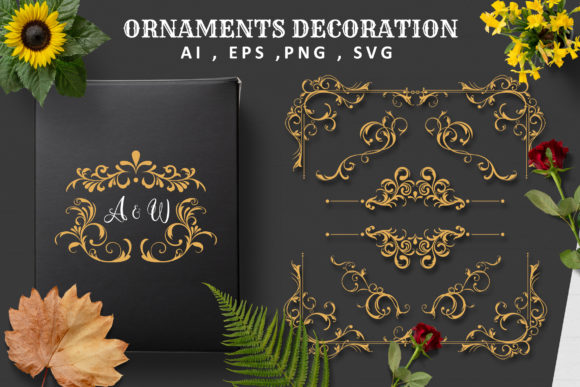
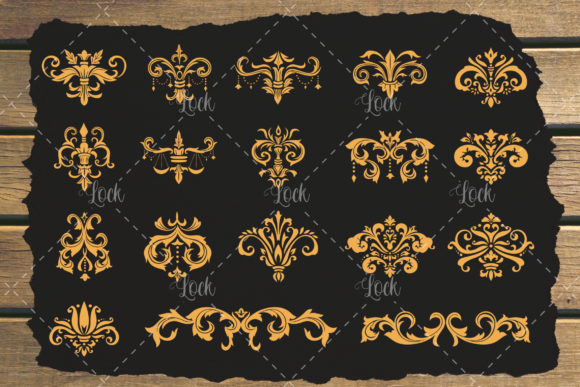
When I opened the 18 Variant Damask Stencils set, what struck me first wasn’t complexity—it was quiet confidence. These aren’t fussy or over-rendered; they’re balanced, rhythmic, and deeply rooted in classic damask language—scrolls, symmetrical flourishes, subtle repeats—yet each variant carries its own breathing room. Some lean minimalist, others add delicate interior line work or gentle scale shifts. As an embroidery designer who’s stitched hundreds of client projects—from boutique aprons to wedding keepsakes—I immediately sensed their versatility. They feel like design assets that support intention rather than dominate it.
Real-World Test: Embroidering a Linen Kitchen Towel for a Local Gift Shop
Last week, I used one of the medium-scale variants from the 18 Variant Damask Stencils collection on a 14” x 26” natural linen tea towel—intended for a small-town gift shop’s holiday lineup. I chose a soft ivory thread on oat-colored fabric, paired with light tear-away stabilizer. The result? Crisp satin-stitched outlines held beautifully, and the fill stitch areas settled smoothly without puffing or shadowing. Customers noticed it right away—not because it screamed, but because it felt *considered*. That’s the strength of this set: it elevates handmade product perception without sacrificing legibility or wearability.
Where These Stencils Shine (and Where They Ask for Thought)
The 18 Variant Damask Stencils excel in applications where refinement meets function:
- Custom apparel: Especially on structured items like sweatshirt cuffs, tote bag corners, or apron pockets—where a subtle repeat adds polish without overwhelming.
- Baby embroidery: Smaller variants translate beautifully to onesies or burp cloths when digitized with low stitch density and open spacing—no risk of stiffening delicate fabric.
- Embroidered patch design: Several variants scale cleanly into 2.5”–3.5” circular or oval patches ideal for jackets, backpacks, or craft fair merch.
- Holiday embroidery & personalized gifts: Think monogrammed pillow covers for weddings, damask-trimmed stockings, or napkin sets for bridal showers—the motifs read as heirloom-quality, not mass-produced.
- Digital product previews: As Illustrations, these stencils work exceptionally well in printable mockups for Etsy sellers building cohesive brand bundles (e.g., matching embroidery files + SVG cut files + packaging labels).
Use With Care: Practical Embroidery Designer Notes
These are Graphics designed for flexibility—but flexibility doesn’t mean zero prep. Here’s what I always check before stitching:
- Test on scrap fabric first—especially if using textured weaves (like burlap or heavy terry) or stretchy knits. Damask lines can blur or distort if stabilizer isn’t matched precisely.
- Review stitch density. Some variants include fine interior detailing that may require reduced fill stitch % or strategic running stitch breaks for breathability on wearable items.
- Confirm hoop size compatibility. Larger variants may push standard 4x4 hoops—ideal for commercial embroidery shops with larger frames, but less forgiving for hobbyists starting out.
- Inspect small details at actual stitch-out size. What looks elegant on screen can vanish under dense satin stitch or get lost on dark fabric without sufficient thread contrast.
- Check licensing before selling finished items. Since these are digital embroidery files meant for real project use, verify whether your intended application—like selling embroidered baby blankets on Etsy—falls within permitted commercial use.
How It Shapes Perception—Beyond the Stitch
Using the 18 Variant Damask Stencils does more than decorate a surface—it quietly signals care. A customer receiving a damask-embroidered kitchen towel doesn’t just see a pattern; they sense intention behind material choice, thread selection, and placement. That builds trust. For craft business owners, that translates to repeat orders and word-of-mouth referrals. For Etsy sellers, it means higher perceived value per listing—and fewer “Is this handmade?” questions in comments. Even in digital contexts—like using a stencil as a watermark or background element in a printable mockup—the consistency of the damask language reinforces brand cohesion across social posts, product photos, and email headers.
Fabric & Finish Considerations You Can’t Skip
These stencils behave differently depending on context:
- Thin or lightweight fabric: Use ultra-light stabilizer and avoid heavy fill areas—opt for openwork or outline-only versions where possible.
- Dark fabric: Prioritize high-contrast thread colors. Avoid overly fine interior lines unless you’re confident in your machine’s precision and tension control.
- Curved surfaces (caps, hats): Stick to smaller, flatter variants—avoid those with tight concentric curves or dense corner treatments that won’t conform.
- Frequently washed items (baby clothes, towels, aprons): Confirm thread quality and lock stitches at start/end points. Reinforce high-friction zones like towel hems with a second pass if needed.
- Layered garments (reversible totes, double-layered pillow covers): Ensure backside stitching doesn’t show through—test opacity with your chosen thread weight and fabric combo.
Final Thought: A Quiet Workhorse, Not a Flashy Gimmick
The 18 Variant Damask Stencils won’t go viral for novelty—but they’ll earn steady respect from designers who value reliability over trend-chasing. They’re the kind of embroidery file you return to season after season: for a spring collection of linen napkins, a fall launch of embroidered sweatshirts, or a holiday batch of personalized gifts that feel timeless, not timely. If you're building a craft business, refining your Etsy shop aesthetic, or simply want to embroider with more intention—not just more speed—this set earns its place in your core design assets. Just remember: great stencils don’t replace judgment. They reward it.